

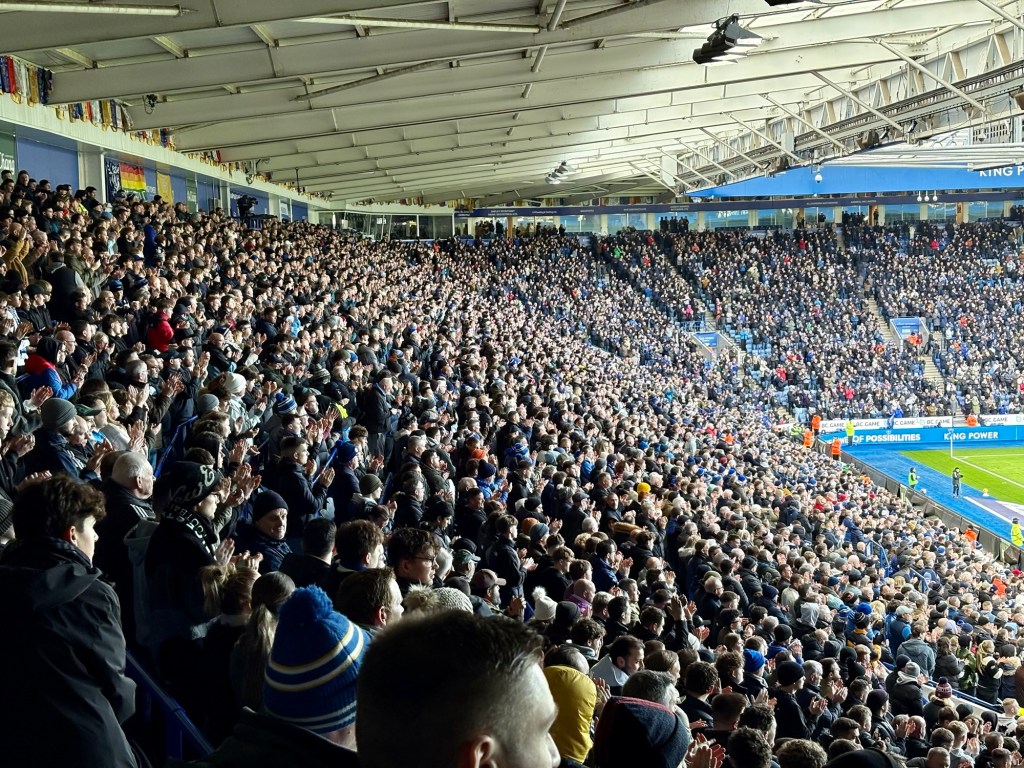
The first points deduction in the 142-year history of Leicester City Football Club has been a long time coming. By the time it was finally fact rather than speculation, and we could look at the league table and a single refresh of a browser window dropped us further towards the Championship relegation zone, many supporters were so resigned to the reality that there was no sense of shame or anger.
Even across the wide array of reactions to the news, there was some truth and relatability in every one.
There was relief from some sections of the fanbase that we finally had an answer to the unknown question which has dogged the last two years of competitive football. Last season was such a write-off that to take the points deduction at that stage would have been a blessing. We were getting relegated anyway.
This season has been different. Hovering in a constant state just outside the play-offs, we didn’t know what we were watching. Were we watching a team that, for all its faults, could sneak into the end-of-season promotion mix with some good decisions in the January transfer window, or were we watching a team that was about to plummet several places in the standings regardless of the result that day?
Especially for those of us who like to know where we stand, the lurking threat of a points deduction has been unsettling.
Then you have the “what about Manchester City?” crew, who may be less relatable but their sentiments are hard to disagree with. We wake up this morning on the tenth anniversary of perhaps Leicester City’s greatest-ever league result, that 3-1 win at the Etihad on 6th February 2016, and see the gulf between the two clubs widen by another six points while 115 charges continue to go unaddressed.
Whataboutery shouldn’t be the first reaction because it’s pure misdirection away from the root of a very real problem that needs to be addressed with our own football club. Still, the experiences of both Cities, and particularly the effect on supporters for such a long period of time, should lead to questions about the application of financial regulations in league football. As bad as our club’s decisions have been, it’s been galling to see others selling hotels and women’s teams to themselves and continuing to spend big because they inflated their worth before the current rules were agreed.
Sooner or later though, you have to look at yourself. Part of Leicester City’s apparent defence, that this punishment is merely the result of ambition to challenge the established status quo, feels horribly naive. When you strip everything else away, good transfer business will keep any club in line with the laws. Without wanting to go over well-trodden territory, the decision to move away from the sell-one-big-player-every-year model absolutely had to go hand-in-hand with sellable players being brought into the club. Because if you’re not going to sell a player for big money, you need to bring in the cash from smaller sales of others. And that’s where Leicester have been terrible for years, a succession of bodies walking out of the building for nothing.
This news also brought focus to the 2023 summer transfer window instead of the usual grumbling about the awful business conducted in 2016 or the catastrophic window of 2021. Because 2023 was, presumably, the year Aiyawatt Srivaddhanaprabha was referring to when he said “the one year we didn’t know what it was” about PSR. This was the summer after relegation when we sold Harvey Barnes and James Maddison for relatively big money and could have adjusted to ensure PSR compliance.
Instead we bought Harry Winks, Conor Coady and Tom Cannon for large transfer fees at Championship level and accompanying Premier League-level wages for the former two. These decisions came a few months before Everton were hit with a points deduction and there seems to have been a complacency among football clubs at the time, believing that the Premier League would not enforce its own regulations other than perhaps a small financial penalty.
Leicester City got it badly wrong. For years, there was a vacuum where fans had to idly ponder just how much expertise and smart thinking lay behind our football operations. That was laid bare in Aiyawatt Srivaddhanaprabha’s recent interviews and confidence in the decision-makers at the club nosedived from a sea-level position at best. There is no strategy, other than asking the fans to stop booing the players. This is the biggest factor in the growing sense of detachment from this football club. When there is no accountability or ability to critically review performance, it’s very hard to stay invested.
So that’s why I found it impossible to relate to the reaction from many fans that “it could have been worse” or that “we’ve got away with one there”, as true as it might be. I found myself more on the side of the authorities than my own club. Whether through the lack of communication, the disdain with which fans are treated, the eventual reveal of the Emperor’s new clothes with Srivaddhanaprabha’s interviews or just the general wearying of time following a failing football club and plodding along every other week to watch us lose to increasingly bad opposition, I simply can’t summon the feeling that – to repurpose an old season ticket campaign – we’re all in this together.
The pay-off for the long-term lack of communication from the club is a complete inability to foster the vital siege mentality that normally arises in this scenario. Think back to the unity of Sheffield Wednesday supporters on the first day of this season and the incredible support they showed for their players. Our club has put its players above its fans for years, paying them too much, renewing contracts that should never have been renewed, now seemingly treating former legends poorly too. In showing too much faith in poor players and a failing style of football, the club have not valued or listened to its fans, have not gauged the mood, taken the temperature, seen the obvious apathy build.
With that detachment comes a feeling that this football club, if it won’t face up to reality itself, deserves to be punished for such a long period of mismanagement.
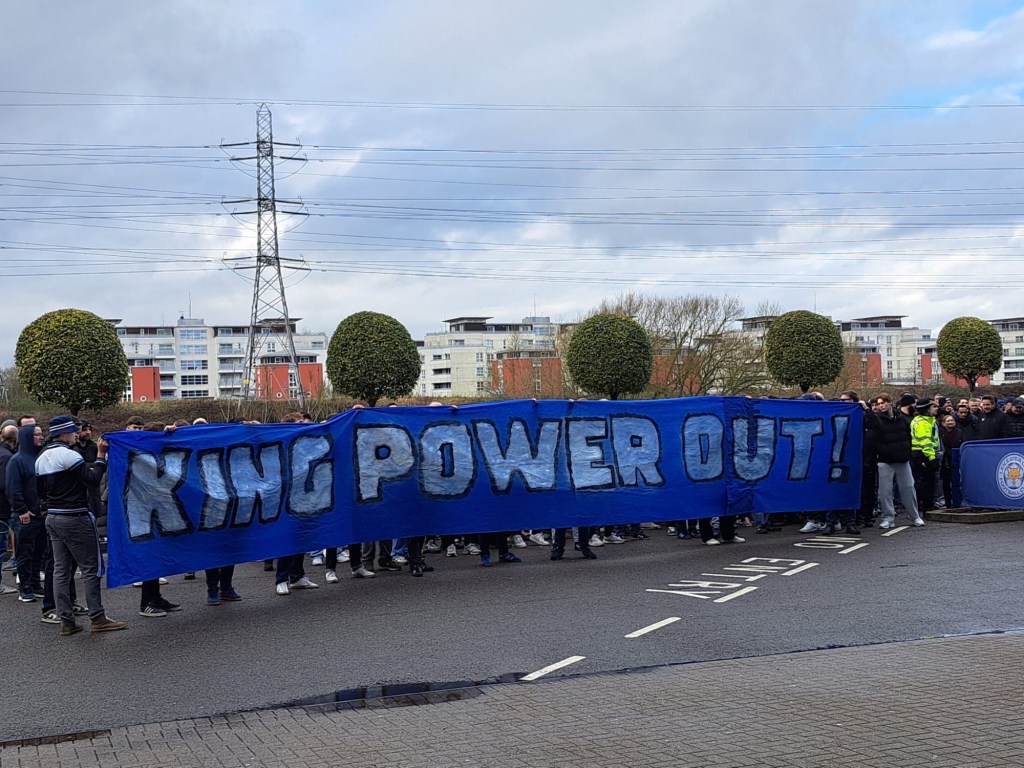
You start playing that game in your head, like many were before the recent Oxford debacle. If we lose, does it mean Cifuentes goes? If it’s ten points, does Rudkin go? If it’s thirty points, do King Power go? That’s obviously just fantasy, but we do have to question how bad things get before meaningful change arrives. Changing the manager is having no effect and we continue to spiral. With regard to the revolving door of managers over the past eighteen months, a comic analogy posted yesterday on Foxestalk absolutely nailed the current scenario: it’s like complaining about the waiter when there’s a hair in your soup while Chewbacca’s in the kitchen.
There was another reaction from some supporters – that it’s time to unite and get behind the players now that this season’s aim is abundantly clear. While that immediate response feels like more misdirection away from the failings of King Power and Jon Rudkin, it is still entirely true and fair. Another relegation would be catastrophic for our football club. And there’s a section of our fanbase that needs to put aside its feelings about Patson Daka’s footballing ability, for example, and, for the greater good, actually support the players wearing the shirt.
After nearly two years waiting for the inevitable, we have a little more clarity for a brief period at least. Hopefully we have some breathing space before the next off-field disaster knocks us all off course. Support the team, while demanding change. It’s a tricky balance, but it’s one Leicester City fans have to get right.



 The Fosse Way